Jump to a section
Are you interested in learning more about Angeles City, Pampanga? Is this your first time visiting the city? Before exploring its famous restaurants, shopping destinations, and entertainment attractions, why not take some time to discover its fascinating history and rich cultural heritage?
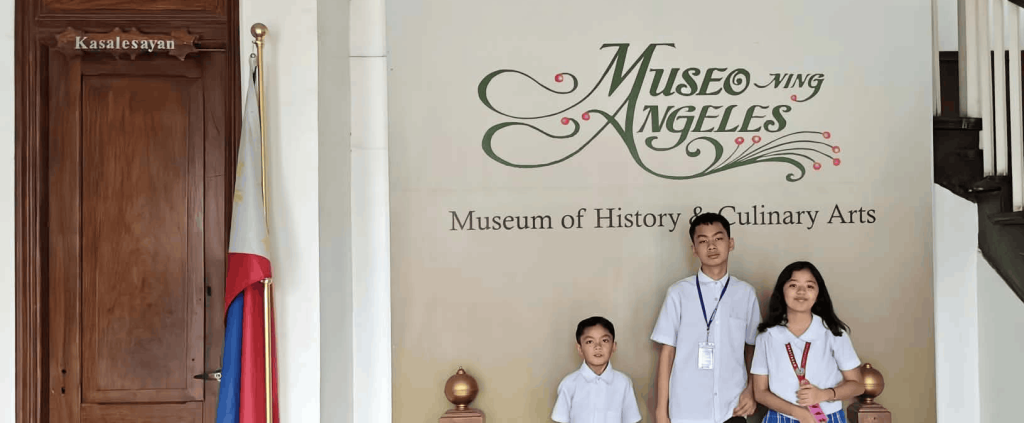
One of the best places to begin your journey is Museo ning Angeles, a historical and cultural museum located in the heart of Angeles City, Pampanga. Situated in the historic district of Barangay Santo Rosario, this museum offers visitors an opportunity to learn about the city’s past, Kapampangan traditions, local arts, and significant historical events.
Whether you are a first-time visitor, an international tourist, or a local resident interested in discovering more about Angeles City, visiting Museo ning Angeles is an excellent way to appreciate the city’s history and cultural identity before exploring its other attractions.
What is the History of Museo Ning Angeles?
The history of Museo ning Angeles dates back to the Spanish colonial period, when Angeles had a government building known as the Casa Tribunal, or courthouse, in what is now Barangay Santo Rosario. Built around 1840, the original structure served as a center for local government and judicial affairs. Historical accounts indicate that the area was affected by a major fire during the Spanish colonial period, with different sources citing 1855 or 1860.
In 1922, a new municipal building was constructed nearby during the administration of then-Mayor Don Juan D. Nepomuceno. The building became the town hall of Angeles and later served as its city hall, witnessing numerous political, social, and historical developments. For approximately 76 years, it functioned as the center of local government operations until 1998, when government offices relocated to the new city hall complex in Barangay Pulung Maragul.
In 1999, the historic municipal building was turned over to the Kuliat Foundation, Inc., a nonprofit organization dedicated to preserving and promoting the history, arts, culture, and traditions of Angeles City. The foundation undertook the renovation and transformation of the former government building into Museo ning Angeles, giving it a new purpose as a cultural and historical museum.
On December 8, 1999, Museo ning Angeles held its soft opening with an exhibition titled Memorias ning Angeles (Memories of Angeles). The exhibition featured historical photographs, artworks, artifacts, and memorabilia highlighting the city’s history and the lives of its people.
Another significant historical feature is the monument of José Abad Santos, located in front of Museo ning Angeles. Born in San Fernando, Pampanga, on February 19, 1886, José Abad Santos served as the fifth Chief Justice of the Supreme Court of the Philippines. He is remembered for his courage and patriotism during World War II, particularly his refusal to cooperate with Japanese occupying forces, which led to his execution on May 2, 1942. His monument serves as a tribute to his contributions to the country and his sacrifice during the war.
In recognition of its historical and architectural significance, the National Museum of the Philippines declared the Museo ning Angeles building an Important Cultural Property in 2015, further establishing its importance as one of Angeles City’s historical and cultural landmarks.
How much is the Entrance Fee to Museo Ning Angeles?
Admission to Museo ning Angeles is FREE for all visitors. It is an accessible educational and cultural destination for local and international tourists, students, families, and Angeles City residents. Visitors can explore the museum’s historical collections, cultural exhibits, artworks, and photographs highlighting the history, traditions, and heritage of the Kapampangan people.
What are the Operating Hours of Museo Ning Angeles?
According to the museum’s official Facebook account, the published operating schedule is:
Monday to Sunday: 9:00 AM – 5:00 PM
Public Holidays: Closed, unless otherwise announced
Visitors are encouraged to confirm the museum’s operating hours before their visit, as schedules may change during holidays, special events, or maintenance activities. Schools, organizations, and groups planning educational tours or special visits are advised to contact the museum in advance to arrange their visit.
For inquiries and scheduled visits:
Facebook Account: facebook.com/museo.angeles
Address: Old Municipal Building, Santo Rosario Street, Angeles City, Pampanga, Philippines
What is the address of Museo Ning Angeles?
Museo Ning Angeles is located at the Old Municipal Building, Santo Rosario Street, Barangay Santo Rosario, Angeles City, Pampanga, Philippines. The museum is conveniently situated near the police station and Holy Angel University, directly across from Holy Rosary Parish Church, also known as Pisamban Maragul, which has been designated a Minor Basilica.
Museo ning Angeles is accessible by private vehicle, taxi, ride-hailing service, jeepney, or tricycle. Visitors can also explore nearby historical attractions, including Pamintuan Mansion and Founder’s House, making it an ideal starting point for a cultural and historical tour of Angeles City.
What are the Common Exhibits in Museo Ning Angeles?
Museo ning Angeles features a variety of historical and cultural exhibits that showcase the rich history, traditions, and artistic heritage of Angeles City, Pampanga. Visitors can explore collections of historical photographs, artifacts, dioramas, traditional clothing, and artworks that provide valuable insights into the lives of the Kapampangan people. The museum’s exhibits are organized into different sections, allowing visitors to discover important events that shaped Angeles City, from its early beginnings to its modern development.
Balikdan (City History Gallery)
The Balikdan Gallery introduces visitors to the history and development of Angeles City. It features historical photographs, documents, artifacts, and displays highlighting the city’s transformation through different periods.
Visitors can learn about the early settlement of Culiat, the Spanish colonial period, the establishment of Angeles as a town, and significant events that influenced the community’s growth.
World War II and Clark Air Base
This section explores the impact of World War II and the former Clark Air Base on Angeles City and its surrounding communities. Historical photographs, memorabilia, and informative displays help visitors understand the city’s experiences during the Japanese occupation and the American military presence.
Clark Air Base played a significant role in the economic, social, and cultural development of Angeles City. The exhibits highlight this historical connection and its lasting influence on the community.
1991 Mount Pinatubo Eruption
The 1991 Mount Pinatubo eruption was one of the most significant natural disasters in Philippine history, profoundly affecting Angeles City and nearby communities. This exhibit highlights the eruption’s devastating effects, including widespread ashfall, displacement of residents, and damage to homes, businesses, and infrastructure.
Through historical photographs and educational displays, visitors can learn about the challenges faced by local communities and their efforts to recover and rebuild. The exhibit also reflects the resilience of the Kapampangan people during one of the most difficult periods in the region’s history.
Traditional Life Dioramas and Fashion
Museo ning Angeles also features displays illustrating traditional Kapampangan lifestyles, customs, and clothing. Historical dioramas recreate scenes from everyday life, offering visitors a glimpse into how earlier generations lived, worked, and celebrated important occasions.
Traditional clothing and fashion collections highlight Filipino craftsmanship and the use of indigenous materials. Among the museum’s notable fashion collections are works associated with Patis Pamintuan-Tesoro, an Angeles City native recognized for incorporating traditional Filipino fabrics, including piña and abaca, into her designs. These exhibits celebrate the creativity, craftsmanship, and cultural identity of the Kapampangan people.
What Can Visitors See on the Second Floor of Museo ning Angeles?
The second floor of Museo ning Angeles offers additional exhibitions dedicated to Kapampangan culinary traditions and the visual arts.
The Culinarium: Kapampangan Culinary Heritage
The Culinarium is one of the museum’s distinctive cultural attractions. It celebrates the culinary heritage of Pampanga, a province widely recognized as the Culinary Capital of the Philippines. Visitors can discover traditional cooking utensils, antique kitchen equipment, historical dining arrangements, and objects associated with Kapampangan food preparation. The exhibition introduces traditional cooking methods and customs that have been passed down through generations of Kapampangan families.
Visual Arts and Rotating Exhibitions
Museo ning Angeles also promotes local creativity through its art galleries and temporary exhibitions. Exhibitions may feature historical themes, contemporary artistic expressions, cultural celebrations, and works highlighting Kapampangan identity. Unlike permanent historical collections, rotating exhibitions change periodically, giving returning visitors opportunities to discover different artworks and cultural displays.
Visitors are encouraged to check the museum’s official announcements for information about current exhibitions, special events, and gallery availability. Together, these exhibits make Museo ning Angeles an educational destination for tourists, students, researchers, and local residents interested in discovering the history, culture, and artistic traditions of Angeles City.
Who Manages Museo ning Angeles? Meet the Kuliat Foundation and Its 2024 – 2026 Board of Trustees
The Kuliat Foundation, Inc. (KFI) is a non-stock, non-profit organization responsible for managing Museo ning Angeles and helping preserve the rich history, culture, traditions, and heritage of Angeles City, Pampanga.
In 2026, the foundation elected a new Board of Trustees and officers who will serve during the 2026 – 2028 term, continuing the organization’s commitment to cultural preservation, educational activities, historical exhibitions, and community programs.
Angeles City Mayor Carmelo “Jon” Lazatin II administered the oath of office to the newly elected officers and trustees.
Newly Elected Officers for 2026 – 2028
- Ar. Leandro V. Naguiat – President
- Danon D. Dizon – Vice President
- Josephine C. Mendoza – Secretary
- Ethel W. Galang – Treasurer
Board of Trustees for 2026 – 2028
- Atty. Kercee L. Carlos
- Analee S. David
- Ar. Yan A. David
- Howard D. Dizon
- Atty. Erika J. Nepomuceno
- Josephine B. Nepomuceno
- Voltaire M. Zalamea
The newly elected leadership is expected to continue strengthening the foundation’s cultural programs, historical preservation initiatives, and community partnerships.
Previous Kuliat Foundation Board of Trustees 2024 – 2026
Before the election of the 2026 – 2028 leadership, the foundation was headed by Lincoln Baluyut, who served as President during the 2024 – 2026 term.
Officers and Trustees 2024 – 2026
Lincoln Baluyut – President
Ar. Leandro Naguiat – Vice President
Jing Torno – Secretary
Cecile Lazatin – Treasurer
Ar. Arianne Jean David – Trustee
Jericho Roberto De Guzman – Trustee
Trixie Henson – Trustee
Atty. Kercee Lazatin – Trustee
Elsa Mirasol – Trustee
Rolando Tayag – Trustee
Andrew Tiglao – Trustee
Projects Committee Heads 2024 – 2026
Ar. Tito Angeles
Danon Dizon
Through the dedication of its past and present leadership, the Kuliat Foundation continues to promote the preservation of Angeles City’s historical landmarks, Kapampangan traditions, arts, and cultural heritage. The foundation also maintains Museo ning Angeles as an educational and cultural destination for tourists, students, researchers, and local residents.
How to Get to Museo ning Angeles From the Clark Freeport Zone?
By Private Car or GrabCar
Driving or booking a GrabCar is one of the most convenient ways to reach Museo ning Angeles from Clark Freeport Zone. The journey may take approximately 20 to 30 minutes, depending on your starting point and traffic conditions.
Visitors can exit Clark through Main Gate and follow the roads toward downtown Angeles City. Another possible route is through Friendship Gate and Fil-Am Friendship Highway.
For the most convenient directions, search for “Museo ning Angeles” on Google Maps.
By Public Transportation
From Clark Freeport Zone, board a Clark Loop Bus heading toward SM City Clark or Bayanihan Terminal. Get off near the SM City Clark or Main Gate transportation area. Look for a jeepney displaying Checkpoint – Holy – Highway or another route serving Holy Angel University. Ask the driver to drop you off near Holy Angel University or Holy Rosary Parish Church. Walk toward Santo Rosario Street to reach Museo ning Angeles.
The Clark Loop connects major destinations inside Clark with transportation points near SM City Clark, making it useful for visitors who prefer public transportation.
How to Get to Museo ning Angeles From Dau Bus Terminal?
By Private Car or GrabCar
Visitors arriving at Dau Bus Terminal in Mabalacat City can book a GrabCar or taxi directly to Museo ning Angeles. Travel toward Angeles City using MacArthur Highway and follow the connecting streets toward the Santo Rosario Heritage District. The museum is located directly across from Holy Rosary Parish Church.
By Public Transportation
From Dau Bus Terminal, locate a jeepney heading toward SM City Clark or Main Gate. Get off at an appropriate transfer point near SM City Clark. Transfer to a Checkpoint – Holy – Highway jeepney serving the Holy Angel University area. Ask the driver to drop you off near Holy Rosary Parish Church. Walk to Museo ning Angeles along Santo Rosario Street. Depending on the available jeepney service, visitors may also find routes connecting Dau with other parts of Angeles City. Confirm the route with the driver before boarding.
How to Get to Museo ning Angeles From Balibago?
By Private Car or GrabCar
If you are staying in Balibago, Fields Avenue, or the Walking Street area, booking a GrabCar or taxi is a convenient way to reach Museo ning Angeles. Ask the driver to take you to the historic municipal building across from Holy Rosary Parish Church in downtown Angeles City.
By Public Transportation
From Balibago, head toward an authorized jeepney stop serving downtown Angeles City. Look for a jeepney displaying Checkpoint – Holy – Highway or Checkpoint – Hensonville – Holy.
Ask the driver whether the route passes near Holy Angel University. Get off at the nearest designated stop to Holy Rosary Parish Church. Walk toward Museo ning Angeles, situated across from the church. These local jeepney routes connect the Balibago area with downtown Angeles City, making public transportation a practical option for budget-conscious travelers.
How to Get to Museo ning Angeles From San Fernando, Pampanga?
By Private Car or GrabCar
Visitors coming from the City of San Fernando, Pampanga, can drive or book a GrabCar directly to Museo ning Angeles. One of the main routes toward Angeles City is MacArthur Highway. Continue toward the downtown area and follow your navigation app to Santo Rosario Street.
Travel time depends on your starting location and road conditions.
By Public Transportation
From San Fernando, proceed to a jeepney terminal or loading area serving the San Fernando – Angeles route. Board a jeepney heading toward Angeles City. Ask the driver where to get off for downtown Angeles or the nearest connection to Holy Angel University.
If necessary, transfer to another jeepney or take a tricycle toward Holy Rosary Parish Church.
Once you reach Santo Rosario Street, Museo ning Angeles is located directly across from the church. Travelers coming from SM City Pampanga or other parts of San Fernando should confirm the appropriate boarding point before traveling, as different routes may use different terminals.
Travel Tips for Visiting Museo ning Angeles
Before traveling, consider these helpful tips:
- Use Holy Rosary Parish Church as your landmark. The museum is located directly across from the church.
- Check your jeepney route before boarding. Ask the driver whether the vehicle passes near Holy Angel University or downtown Angeles City.
- Use Google Maps for navigation. Live directions can help you avoid heavy traffic and locate the museum.
- Prepare small bills and coins. These are useful when paying jeepney or tricycle fares.
- Confirm the museum’s operating hours. Check its official Facebook page or contact the museum before your visit, especially on holidays.
Whether you are traveling by private vehicle or public transportation, Museo ning Angeles is a convenient cultural destination to include in your Angeles City itinerary.
How to Explore Nearby Historical Attractions Around Museo Ning Angeles?
After visiting Museo ning Angeles, take the opportunity to explore the nearby historical landmarks in the Santo Rosario Heritage District. This area is home to some of the oldest and most culturally significant buildings in Angeles City, Pampanga. Most of these attractions are within walking distance of the museum, making it convenient for tourists, students, and history enthusiasts to discover the city’s rich Kapampangan heritage.
Holy Rosary Parish Church (Pisamban Maragul)
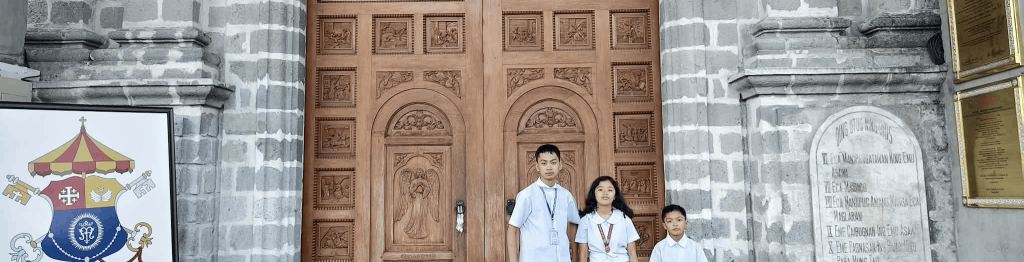
Located directly across from Museo ning Angeles, Holy Rosary Parish Church, also known as Pisamban Maragul, is one of the most recognizable historical landmarks in Angeles City. Completed in 1896 during the Spanish colonial period, the church features impressive architecture, two bell towers, and a rich religious history. It served different purposes during periods of conflict, including use as a military hospital during the Philippine-American War. Visitors can admire its beautiful façade, appreciate its historical significance, and explore its surroundings. The church has also been elevated to the status of a Minor Basilica, making it an even more important religious destination in Pampanga.
Pamintuan Mansion (Museum of Philippine Social History)
A short walk from Museo ning Angeles is the Pamintuan Mansion, an elegant ancestral residence located at the corner of Santo Entierro and Miranda Streets. Built around 1890, the mansion played an important role in Philippine history. On June 12, 1899, President Emilio Aguinaldo celebrated the first anniversary of Philippine independence at this historic residence. Today, the mansion houses the Museum of Philippine Social History, which showcases Filipino traditions, clothing, furniture, music, food, and everyday life. Visitors can explore its preserved interiors, admire its architectural details, and learn about the lifestyles and traditions of earlier generations.
Founder’s House (Residencia de Don Ángel Pantaleón de Miranda)
Another historical attraction worth visiting is Founder’s House, also known as the Residencia de Don Ángel Pantaleón de Miranda. Located along Santo Rosario Street, this ancestral residence is associated with Don Ángel Pantaleón de Miranda, the founder of the settlement that eventually became Angeles City. The house dates back to 1824 and is considered one of the city’s oldest surviving residential structures. Visitors can appreciate its traditional architecture and historical importance while walking through the surrounding heritage district. Since access to the interior may be limited, visitors should confirm availability before planning a tour inside the property.
Juan D. Nepomuceno Center for Kapampangan Studies
Located within Holy Angel University, the Juan D. Nepomuceno Center for Kapampangan Studies is another interesting destination for visitors who want to learn more about Pampanga’s cultural heritage. The center promotes the preservation and study of Kapampangan language, history, literature, traditions, and arts. Its facilities include cultural collections, historical archives, research materials, and exhibits highlighting important Kapampangan personalities and artistic achievements. Visitors interested in local history, genealogy, and traditional culture may find this destination particularly educational. Contact Holy Angel University in advance to inquire about public visits or scheduled tours.
Bale Herencia
Bale Herencia is another historical building located along Santo Rosario Street, near the corner of Lakandula Street. Originally constructed in 1860, this heritage house reflects architectural influences from the Spanish colonial period. Over the years, the property has served various purposes, including residential and commercial uses. Its preserved architectural character offers visitors another glimpse into the appearance of Angeles City’s historic neighborhoods. While walking through the heritage district, visitors can appreciate the building’s exterior and learn about its place in local history.
MY TRAVEL JOURNAL
Places I’ve visited
Explore my published pins around Angeles City, Clark, and beyond.
The first visited places will appear here once they are published.
Reader reviews
Be the first to share your experience.