Are you planning to visit the Archdiocesan Shrine of Apung Mamacalulu in Angeles City, Pampanga? Whether you are a first-time visitor, an international tourist, a Catholic pilgrim, or a local resident, knowing the shrine’s location, transportation options, and visiting arrangements can help you plan a comfortable and meaningful trip.
Officially known as the Archdiocesan Shrine of Christ Our Lord of the Holy Sepulcher, the shrine is located along C. Dayrit Street in Barangay Lourdes Sur, Angeles City, Pampanga, Philippines.
The shrine is dedicated to Apung Mamacalulu, a revered image of Jesus Christ lying in the Holy Sepulcher. For generations, Catholic devotees have visited this sacred place to offer prayers, express gratitude, seek forgiveness, and ask for God’s mercy and guidance.
Visitors can reach the shrine by private car, taxi, GrabCar, jeepney, or local tricycle, depending on their starting location. It is accessible from Clark Freeport Zone, Dau Bus Terminal, Balibago, San Fernando, and other parts of Central Luzon.
Where is the Archdiocesan Shrine of Apung Mamacalulu Located?
The Archdiocesan Shrine of Apung Mamacalulu is situated along C. Dayrit Street in Barangay Lourdes Sur, Angeles City, Pampanga, Philippines.
The shrine is located near the Angeles City Public Market area and is accessible through the local road network connecting the city’s commercial and residential districts.
Visitors unfamiliar with the area can search for Apung Mamacalulu Shrine, Angeles City in Google Maps or Waze.
Address: 4HRR+F2H, C Dayrit St, Angeles, Pampanga, Philippines
Contact Number: (045) 624-0344, as published in parish directories
Admission Fee: Free
Google Maps: https://maps.app.goo.gl/ccb5PrXxh7eigeqF6?g_st=ac
How to Get to the Archdiocesan Shrine of Apung Mamacalulu From Clark Freeport Zone?
By Private Car or GrabCar
Traveling by private car, taxi, or GrabCar is one of the most convenient ways to reach Apung Mamacalulu Shrine from Clark Freeport Zone, particularly for international tourists and first-time visitors.
From Clark, follow the available roads toward Angeles City, passing through the Clark Main Gate or other suitable exit points.
Continue toward the downtown district and follow your navigation application’s recommended route to Barangay Lourdes Sur.
Enter Archdiocesan Shrine of Apung Mamacalulu, C. Dayrit Street, Angeles City as your destination in Google Maps, Waze, or the Grab app.
Travel time depends on your location within Clark, road conditions, and traffic congestion.
By Public Transportation
From Clark Freeport Zone, take an available shuttle or public transportation service toward SM City Clark, the Clark Main Gate, or the Balibago area.
From Checkpoint or Balibago, look for a jeepney traveling toward downtown Angeles City.
Ask the driver whether the jeepney passes near the Angeles City Public Market or a convenient transfer point for Barangay Lourdes Sur.
Depending on the route, you may need to take another jeepney or a short tricycle ride toward C. Dayrit Street.
Tell the driver you are visiting Apung Mamacalulu Shrine, commonly called Apu Shrine by local residents.
Confirm the nearest drop-off point before boarding, as not all Angeles City jeepneys pass directly in front of the shrine.
How to Get to the Archdiocesan Shrine of Apung Mamacalulu From Dau Bus Terminal?
By Private Car or GrabCar
Visitors arriving at Dau Bus Terminal in Mabalacat City can travel directly to Apung Mamacalulu Shrine by private vehicle, taxi, or GrabCar.
From Dau, follow the roads leading toward Angeles City and continue toward Barangay Lourdes Sur.
For easier navigation, enter Apung Mamacalulu Shrine, Angeles City, Pampanga into Google Maps, Waze, or the Grab app.
Private transportation is particularly convenient for visitors carrying luggage, traveling with children, or accompanying elderly family members.
By Public Transportation
From Dau Bus Terminal, look for an available jeepney or other public transportation service traveling toward Angeles City.
Depending on the route, passengers may need to transfer at Balibago, Checkpoint, or another designated terminal.
From the transfer point, take a local jeepney traveling toward downtown Angeles City.
Ask whether the jeepney passes near the Angeles City Public Market or a suitable location for transferring to Apung Mamacalulu Shrine.
If necessary, take a local tricycle to C. Dayrit Street.
Visitors should confirm the route and boarding location with the driver or terminal personnel before traveling.
How to Get to the Archdiocesan Shrine of Apung Mamacalulu From Balibago?
By Private Car or GrabCar
Visitors staying near Fields Avenue, Walking Street, SM City Clark, or other parts of Balibago can reach Apung Mamacalulu Shrine by private car, taxi, or GrabCar.
From Balibago, follow the roads leading toward downtown Angeles City and continue to the Lourdes district.
Enter Archdiocesan Shrine of Apung Mamacalulu into your navigation application.
The shrine is situated along C. Dayrit Street, within the city’s urban area.
Travel time may vary depending on traffic conditions, especially on Fridays and during religious celebrations.
By Public Transportation
From Balibago, take a jeepney heading toward downtown Angeles City.
The Checkpoint–Holy–Highway route, traditionally associated with purple jeepneys, is one of the known public transportation connections between Balibago and the downtown district.
However, visitors should confirm whether the jeepney passes near the Lourdes area or a suitable transfer point for Apung Mamacalulu Shrine.
Tell the driver that you want to visit Apu Shrine in Lourdes Sur.
If the jeepney does not pass near C. Dayrit Street, get off at a convenient stop and take a tricycle to the shrine.
Before boarding, confirm that the jeepney is heading toward downtown Angeles City rather than returning toward Balibago.
How to Get to the Archdiocesan Shrine of Apung Mamacalulu From San Fernando, Pampanga?
By Private Car or GrabCar
Visitors traveling from San Fernando, Pampanga, can reach Apung Mamacalulu Shrine by private vehicle, taxi, or GrabCar.
From San Fernando, travel north along MacArthur Highway toward Angeles City.
Continue through the appropriate roads leading toward Barangay Lourdes Sur.
For accurate directions, enter Apung Mamacalulu Shrine, C. Dayrit Street, Angeles City into Google Maps or Waze.
Visitors should allow additional travel time during rush hours, weekends, and major religious celebrations.
By Public Transportation
From San Fernando, take an Angeles-bound jeepney traveling along MacArthur Highway.
Depending on the service and current route arrangements, passengers may need to transfer near SM City Telabastagan or at another designated location.
From the transfer point, look for a jeepney heading toward downtown Angeles City.
Ask the driver whether the route passes near the Lourdes district or Angeles City Public Market.
Get off at a convenient location and take a local tricycle toward Apung Mamacalulu Shrine if necessary.
Since local jeepney routes and terminals may change, confirm the correct transfer point before beginning your journey.
What Are the Best Days and Times to Visit Apung Mamacalulu Shrine?
Visitors can plan their trip according to whether they wish to attend religious services, experience the shrine’s devotional atmosphere, or spend time in quiet prayer.
Fridays are particularly significant because the shrine is known for its devotion to Apung Mamacalulu, the Lord of Mercy. Numerous Catholic devotees attend Mass and offer prayers throughout the day. Those who prefer a quieter experience may consider visiting on another day or outside major Mass schedules.
The shrine is also especially busy during Holy Week and Fiestang Apu, traditionally celebrated on the last Friday of October. Published Mass directories provide various schedules, but some listings differ, and a complete current schedule has not been verified. mass-schedules.com+2
Visitors should consult the Apu Shrine’s Facebook page before traveling.
Is There an Entrance Fee to Visit Apung Mamacalulu Shrine?
No. Admission to the Archdiocesan Shrine of Apung Mamacalulu is free. Visitors can enter the shrine to pray, attend religious services, and appreciate its cultural and spiritual significance without purchasing an admission ticket. Catholic devotees may also make voluntary donations to support the shrine’s maintenance and religious activities. Visitors who wish to light candles or purchase devotional items should bring a small amount of cash for personal expenses. The shrine is an active Catholic place of worship, so visitors should maintain a respectful atmosphere and follow the instructions of church personnel.
What Should You Wear When Visiting Apung Mamacalulu Shrine?
Visitors are encouraged to wear modest, comfortable, and respectful clothing when entering the Archdiocesan Shrine of Apung Mamacalulu. Lightweight clothing is practical because Pampanga can experience warm and humid weather throughout much of the year. However, visitors should avoid clothing that may be inappropriate for a religious setting. Comfortable footwear is also recommended, particularly for visitors who intend to explore nearby historical attractions after visiting the shrine. During Masses, prayer services, and religious processions, visitors should maintain silence, avoid unnecessary movement, and respect the privacy of devotees. Photography should not interrupt worship or violate any restrictions established by the shrine.
Can You Visit Apung Mamacalulu Shrine and Other Historical Attractions in One Day?
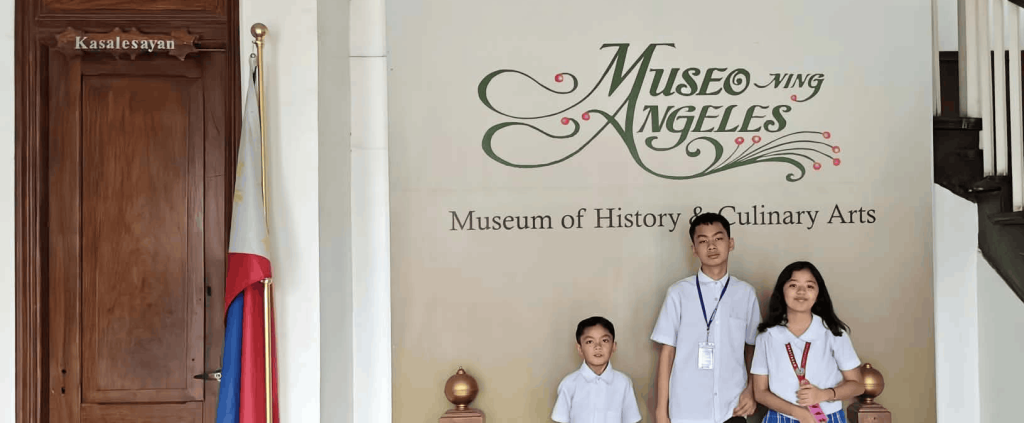
Yes. Visitors can combine a trip to the Archdiocesan Shrine of Apung Mamacalulu with a historical and cultural tour of downtown Angeles City. After visiting the shrine, continue toward the Santo Rosario heritage district, where several historical attractions are located close to one another. Recommended destinations include Holy Rosary Parish Church, Museo ning Angeles, Pamintuan Mansion, Bale Herencia, and the Center for Kapampangan Studies at Holy Angel University.
The journey between Apung Mamacalulu Shrine and the Santo Rosario district is more convenient by car or local transportation, while many attractions within the heritage district can be explored on foot. Depending on museum opening hours, Mass schedules, traffic conditions, and the amount of time spent at each destination, visitors can organize a meaningful half-day religious and historical tour. Visiting these landmarks together provides a deeper appreciation of Angeles City’s Catholic traditions, Spanish colonial history, and Kapampangan cultural heritage.
What Are the Visiting Hours of the Archdiocesan Shrine of Apung Mamacalulu?
The Archdiocesan Shrine of Apung Mamacalulu welcomes Catholic pilgrims, local residents, and visitors who wish to attend Mass, offer prayers, or participate in religious activities.
The shrine is especially active on Fridays, when devotees gather throughout the day.
Visiting Information:
- Admission Fee: Free
- Daily Visiting Hours: A verified, current daily opening-and-closing schedule was not available at the time of research.
- Friday Visits: Multiple Masses are listed throughout the day, but service schedules should be confirmed.
- Parish Office: An older published listing gives Tuesday to Sunday, 9:00 AM–12:00 noon and 2:00 PM–5:00 PM; Monday and holidays closed.
The parish office schedule is not necessarily the same as the shrine’s public visiting hours. Visitors who wish to pray quietly may prefer to visit outside major Mass schedules and religious celebrations.
Fridays, Holy Week, and Fiestang Apu may attract larger numbers of devotees, particularly during peak prayer periods. Visitors should observe proper church etiquette, wear respectful clothing, maintain silence inside prayer areas, and avoid interrupting religious services.
Photography may be permitted in certain areas, but visitors should respect any restrictions established by the shrine. Before visiting, particularly when traveling from outside Pampanga, it is advisable to contact the shrine or check its latest announcements.
What Can Visitors See and Do at Apung Mamacalulu Shrine?
Visiting the Archdiocesan Shrine of Apung Mamacalulu offers an opportunity to experience the spiritual traditions and religious heritage of Angeles City. Although the shrine is primarily a Catholic place of worship, it is also meaningful to visitors interested in religious art, architecture, local history, and Kapampangan cultural practices.
Venerate the Sacred Image of Apung Mamacalulu
The most important religious feature of the shrine is the revered image of Jesus Christ lying in the Holy Sepulcher. The image depicts Christ after His crucifixion and invites devotees to reflect on His sacrifice, suffering, and love for humanity. Catholic pilgrims visit to offer prayers of thanksgiving, ask for spiritual guidance, and seek God’s mercy. Visitors who are not Catholic may also appreciate the image as an important example of Philippine religious art and devotional heritage.
Attend Holy Mass
Attending Mass is one of the most meaningful activities for Catholic visitors. The shrine is especially known for its Friday celebrations, when devotees gather throughout the day. Participating in Mass also allows visitors to experience the importance of Catholic worship in Kapampangan community life.
Light Candles and Offer Personal Prayers
Visitors may find designated areas for lighting devotional candles and offering prayer intentions. Lighting candles is a common Catholic devotional practice associated with prayer, remembrance, thanksgiving, and spiritual reflection. Visitors should follow the shrine’s instructions regarding candle placement and observe any safety restrictions.
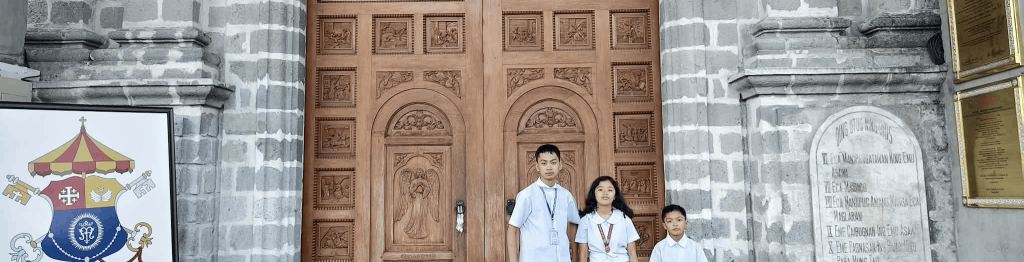
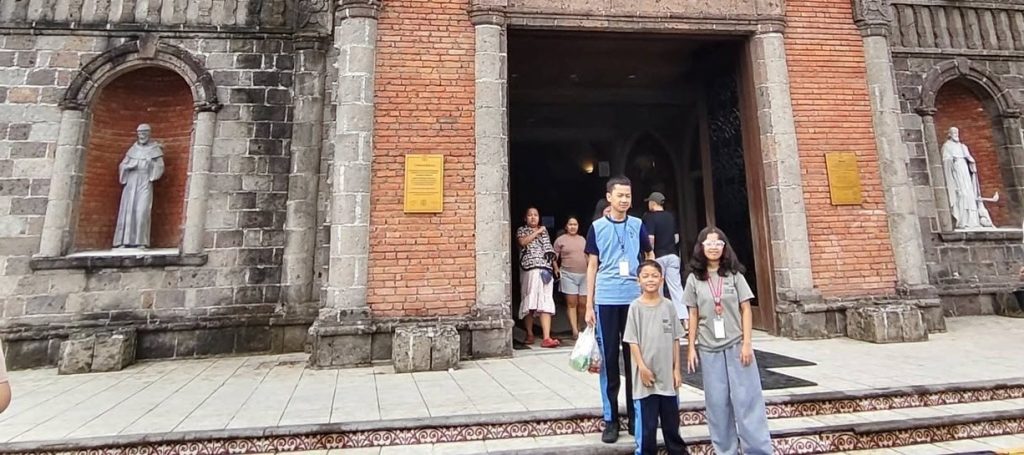
The shrine features architectural elements associated with traditional Catholic church design, including a prominent facade, stone and brick details, arched entrances, and a central worship space. Although the present building is modern compared with some Spanish colonial churches in Pampanga, its architectural design reflects the solemn character of Catholic religious buildings. Visitors can appreciate the shrine’s exterior and interior features while learning about the long history of the image and the devotion associated with it.
Experience Kapampangan Religious Traditions
One of the most interesting aspects of visiting Apung Mamacalulu Shrine is observing how religious traditions have remained meaningful to Kapampangan communities. The use of Kapampangan in Masses, the participation of families in devotional activities, and the observance of Fiestang Apu all demonstrate the connection between Catholic faith and local cultural identity. For tourists interested in understanding Pampanga beyond its commercial attractions, the shrine offers a valuable introduction to the region’s living religious heritage.
How is Apung Mamacalulu Celebrated During Holy Week?
Holy Week is an important period for Catholic devotees visiting the Archdiocesan Shrine of Apung Mamacalulu. The devotion to Christ lying in the Holy Sepulcher is closely connected with the commemoration of His suffering, crucifixion, death, and burial. During Good Friday, Catholics remember the death of Jesus Christ through solemn prayers, liturgical services, and religious traditions. The shrine is particularly associated with the Good Friday veneration of Christ and the procession of the sacred image.
A study documented by the University of the Philippines’ Philippine Performance Archive describes a traditional Good Friday ritual in which the image of Apung Mamacalulu is brought down and carried in a procession around the shrine’s vicinity. This tradition is associated with mourning the death of Christ and expressing the community’s devotion through prayer and public religious observance. The Philippine Performance Archive
For international visitors, the religious activities provide an opportunity to observe how Holy Week is celebrated in Kapampangan communities. However, visitors should remember that these ceremonies are sacred religious observances rather than tourist performances. Photography, movement, and other activities may be restricted during solemn services. Those planning to visit during Holy Week should check the shrine’s annual program for the exact schedule of Masses, liturgical services, processions, and other activities.
How to Explore Nearby Historical Attractions Around Apung Mamacalulu Shrine?
Visiting the Archdiocesan Shrine of Apung Mamacalulu can also be an opportunity to discover the historical and cultural attractions of Angeles City, Pampanga. Although the shrine is located in the Lourdes district rather than the main Santo Rosario heritage area, visitors can combine their religious visit with a short trip to downtown Angeles City. The city’s historic district contains churches, museums, ancestral houses, and cultural institutions that reflect its Spanish colonial history and Kapampangan identity.
Minor Basilica and Parish of Our Lady of the Most Holy Rosary
Locally known as Pisamban Maragul or the Big Church, this historic Catholic landmark stands in Barangay Santo Rosario. Its construction began in 1877 and was completed in 1896. Visitors can admire its twin bell towers and historic architecture while learning about the city’s religious heritage. The basilica is especially worth visiting for anyone interested in comparing the religious architecture, traditions, and history of Angeles City’s important Catholic landmarks.
Museo ning Angeles
Located directly across from Holy Rosary Church, Museo ning Angeles occupies the city’s former municipal hall, constructed in the early 20th century. The museum features exhibitions highlighting local history, cultural traditions, historic photographs, and aspects of Kapampangan daily life. For visitors interested in understanding the development of Angeles City, the museum provides historical context for the city’s churches and other cultural landmarks.
Pamintuan Mansion
Another important historical destination is Pamintuan Mansion, which houses the Museum of Philippine Social History. Built during the late 19th century, the mansion is associated with General Emilio Aguinaldo and the celebration of the first anniversary of Philippine independence on June 12, 1899. Today, the building preserves architectural features and exhibits that highlight Philippine social traditions across different periods. The mansion is an excellent addition to a historical tour of Angeles City.
Bale Herencia
Bale Herencia is another heritage building located in the historic district of Angeles City. Standing at the corner of Santo Rosario and Lakandula Streets, the building reflects architectural influences from the Spanish colonial period. Visitors can appreciate its historic facade and learn about the importance of preserving ancestral houses and architectural heritage. Because interior access may be limited, visitors should confirm whether the building is open to the public before planning an indoor visit.
Center for Kapampangan Studies
Visitors interested in Kapampangan language, literature, history, and cultural traditions may also explore the Juan D. Nepomuceno Center for Kapampangan Studies. Located within Holy Angel University, the center promotes the documentation, preservation, and appreciation of Kapampangan heritage. Its research materials, cultural collections, and educational initiatives help visitors understand the historical contributions of Kapampangans to Philippine society. Because the center is located inside a university campus, public access should be confirmed before visiting.
How to Plan a Religious and Historical Tour Around Apung Mamacalulu Shrine?
Visitors who wish to explore both the religious and historical attractions of Angeles City can organize a half-day tour beginning at Apung Mamacalulu Shrine. Start your visit at the Archdiocesan Shrine of Apung Mamacalulu, where you can attend Mass, offer personal prayers, and learn about the image’s religious significance. Spend time appreciating the shrine’s architecture and observing the devotional traditions associated with the Lord of Mercy.
After visiting the shrine, continue by private car, GrabCar, or another available local transport service toward the Santo Rosario heritage district. The next recommended destination is Holy Rosary Parish Church, where visitors can admire the city’s historic Catholic architecture and learn about the church’s role in Angeles City’s development.
From Holy Rosary Church, cross Santo Rosario Street to visit Museo ning Angeles.
Continue exploring the surrounding heritage district by visiting Bale Herencia and, subject to public access, the Center for Kapampangan Studies at Holy Angel University. Complete the tour at Pamintuan Mansion, where visitors can learn about Philippine social history and the historical events associated with the building.
The Santo Rosario portion of the itinerary can be explored largely on foot, while transportation is recommended for traveling between Apung Mamacalulu Shrine and the historic district. Depending on the availability of museum tours, religious services, and other activities, visitors can complete the itinerary in approximately half a day.
For a more comfortable experience, consider beginning the trip in the morning, wearing comfortable shoes, bringing drinking water, and checking the opening hours of each attraction beforehand. Combining Apung Mamacalulu Shrine with the historical attractions of downtown Angeles City provides a meaningful way to understand the relationship between Catholic devotion, local history, and Kapampangan cultural identity.
What Should Visitors Know Before Visiting Apung Mamacalulu Shrine?
Visitors planning a trip to the Archdiocesan Shrine of Apung Mamacalulu should remember that it is an active Catholic place of worship. Although tourists are welcome to appreciate its historical and cultural significance, religious activities and the needs of worshippers should always be respected.
The following practical considerations can help make the visit more comfortable.
Appropriate Clothing: Visitors are encouraged to wear modest and respectful attire suitable for entering a Catholic church.
Photography: Avoid taking photographs during solemn religious services unless permitted. Respect posted signs and instructions from church personnel.
Mass Attendance: Arrive early if you plan to attend Friday Mass, particularly during busy devotional periods.
Parking: Parking availability may vary depending on the number of visitors and ongoing religious activities.
Donations: Admission is free. Visitors who wish to support the shrine may make voluntary donations through authorized channels.
Accessibility: Visitors with mobility concerns should contact the shrine to confirm the availability of accessible entrances and suitable assistance.
Religious Celebrations: Expect increased attendance during Good Friday, Fiestang Apu, and other important Catholic observances.
Transportation: If traveling by jeepney, confirm the route and nearest drop-off point with the driver before boarding.
For a quieter visit, consider choosing a time outside major Mass schedules and religious celebrations.
Visitors traveling from Clark, Dau, San Fernando, or other parts of Central Luzon should also consider local traffic conditions when planning their trip.
Why Should You Visit the Archdiocesan Shrine of Apung Mamacalulu in Angeles City?
The Archdiocesan Shrine of Apung Mamacalulu is more than a religious landmark. It is an important part of the history, faith, and cultural identity of Angeles City, Pampanga.
Its longstanding devotion to the Lord of Mercy reflects generations of Kapampangan Catholics who have preserved their religious traditions through prayer, communal celebrations, and family practices.
The sacred image, the history of its custodianship, the shrine’s official recognition, and the annual celebration of Fiestang Apu all contribute to its significance. For Catholic pilgrims, visiting the shrine provides an opportunity for prayer, thanksgiving, repentance, and spiritual reflection.
For international tourists and visitors interested in history, the shrine offers insight into the influence of Catholicism on Kapampangan culture and the importance of religious traditions in Philippine communities. For local residents, it remains a meaningful symbol of the city’s spiritual heritage.
Whether visiting for religious devotion, cultural exploration, or personal reflection, the Archdiocesan Shrine of Apung Mamacalulu continues to be one of the important places to discover when exploring Angeles City.
Its enduring message of mercy, compassion, sacrifice, and faith makes it a valuable destination for anyone seeking to understand the religious heritage of Pampanga.
MY TRAVEL JOURNAL
Places I’ve visited
Explore my published pins around Angeles City, Clark, and beyond.
The first visited places will appear here once they are published.
Reader reviews
Be the first to share your experience.